
Watering Mastery: When, How, and How Much
Watering Mastery: When, How, and How Much
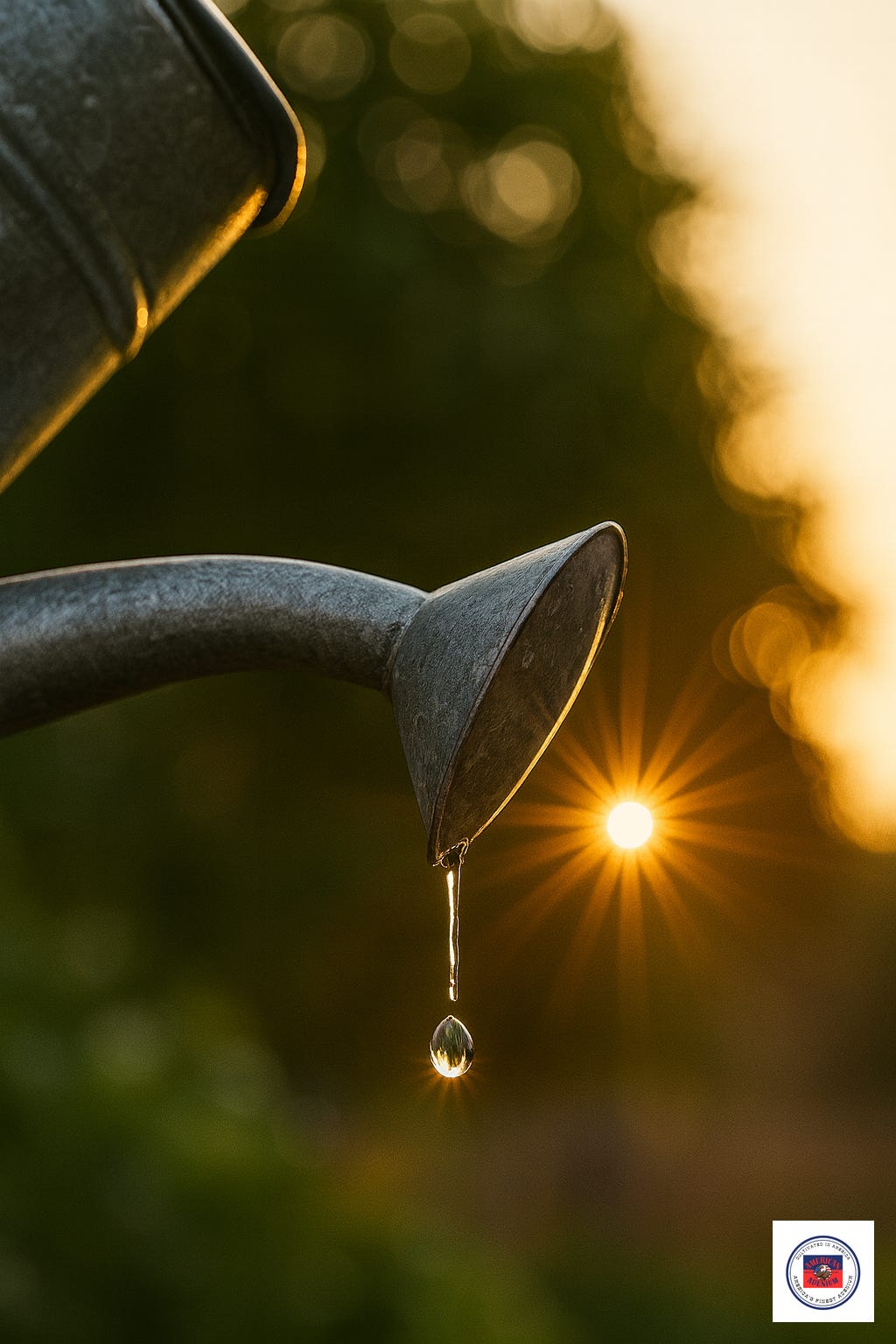
Watering kills more Adeniums than all other care mistakes combined. This harsh reality stems from a fundamental mismatch: most people’s watering instincts developed with traditional houseplants that prefer consistent moisture, while Adeniums evolved to survive in environments where rainfall is intense but infrequent. Learning to water Adeniums properly requires unlearning conventional wisdom and embracing a completely different approach based on cyclical saturation and drought.
Watering Routines for Different Seasons
Adenium watering is not a fixed schedule—it’s a responsive practice that changes dramatically with seasons, growth stage, and environmental conditions. Plants actively growing in summer heat need frequent water, while dormant specimens in winter might go weeks between drinks.
Active growing season (May-September) represents peak water demand. Outdoor plants in Northern Kentucky summer heat with full sun exposure may require watering every 2-3 days or even daily during heat waves. The combination of high temperatures, intense sunlight, and vigorous growth depletes soil moisture rapidly. During this period, you’re checking plants frequently—daily is not excessive—to assess moisture levels rather than following a rigid schedule.
For outdoor plants, morning watering works best. This allows foliage to dry before evening, reducing fungal disease risk, and ensures plants have full moisture reserves before facing afternoon heat. Water thoroughly until it pours freely from drainage holes, then allow the medium to dry substantially before the next watering. During peak summer, this dry-down period might be only 1-2 days.
Indoor plants during this same period need less frequent watering—perhaps every 4-7 days—because they experience less extreme conditions. Indoor air circulation is lower, temperatures are moderated, and light intensity is reduced, all of which slow moisture loss. Even though you’re watering less frequently, the principle remains the same: thorough saturation followed by significant drying.
Transition periods (April and October) require careful attention as conditions change rapidly. Spring brings warming temperatures and increasing day length, triggering plants to exit dormancy and resume growth. As new leaves emerge and growth accelerates, gradually increase watering frequency from winter levels. Start cautiously—perhaps every 10-14 days—and increase frequency as you observe active growth and faster soil drying.
Fall transition works in reverse. As temperatures cool and day length decreases, plants signal dormancy by slowing growth and potentially dropping leaves. Reduce watering frequency progressively, allowing longer dry periods between waterings. This gradual reduction helps plants harden off before winter rather than shocking them with sudden moisture stress.
Dormancy period (November-March) demands radical reduction in watering. During winter dormancy, Adeniums can survive 3-4 weeks or even longer between waterings. Some growers provide only minimal water—just enough to prevent complete root desiccation—once monthly. Others water slightly more frequently but with reduced volume, moistening only the outer portions of the root ball rather than saturating completely.
The goal during dormancy is preventing the caudex from shriveling while avoiding the rot risk that comes from wet soil around inactive roots. A slightly wrinkled caudex during winter is acceptable and even desirable—it indicates the plant is drawing on stored reserves rather than sitting in dangerously moist conditions. As long as the caudex feels firm when gently squeezed, the plant is fine.
“Soak and Dry” Principle for Succulent Success
This principle is the cornerstone of successful Adenium watering and fundamentally different from how you’d water a fern or tropical houseplant.
The soak phase means thorough, complete saturation of the entire root ball. When you water, don’t sprinkle or add small amounts. Instead, water slowly but continuously until water pours freely from drainage holes, indicating the entire medium is saturated. For a 6-inch pot, this might require 1-2 cups of water. You’re replicating the intense rainfall of Adenium native habitats where the soil becomes completely soaked in a short period.
Some growers use the bottom-watering method, placing pots in trays of water and allowing capillary action to saturate the medium from below. This ensures even moisture distribution, though it takes longer than top watering. Either method works as long as you achieve complete saturation.
The dry phase is equally critical and where most problems occur. After watering, allow the medium to dry substantially—not just the surface inch, but the majority of the root zone. For most mixes and conditions, this means the pot feels noticeably lighter when lifted, and a finger inserted 2-3 inches deep finds dry or barely damp medium.
This drying period serves multiple purposes. It provides the oxygen exposure that Adenium roots require, prevents anaerobic conditions where rot organisms thrive, and triggers the plant to extend roots in search of moisture. Plants watered before adequate drying never develop robust root systems because roots have no reason to explore the medium—moisture is always readily available.
The length of the dry phase varies with all the factors we’ve discussed: season, temperature, light levels, pot size, and medium composition. There’s no universal timeline. Instead, you’re learning to read your plants and conditions. A small pot in summer sun might need watering every other day, while the same plant in a larger pot during cool spring weather might need 7-10 days between waterings.
Avoid the deadly middle ground of keeping soil consistently “slightly moist.” This is the most common fatal mistake. Constant moderate moisture means roots never fully dry out, creating perfect conditions for opportunistic fungi and bacteria. Adeniums evolved for feast-or-famine water availability, not steady moderate moisture.
Avoiding Overwatering, Underwatering, and Root Rot
Overwatering symptoms appear as yellowing leaves that remain attached (versus natural yellow leaf drop during dormancy where leaves detach cleanly), soft or mushy areas on the caudex, and a generally waterlogged appearance. Severely overwatered plants may develop black, rotting roots visible when removed from pots. The stem base or caudex may soften and collapse—once rot reaches this stage, saving the plant is difficult and often impossible.
Root rot doesn’t necessarily come from a single overwatering event but from chronic excess moisture. A plant watered too frequently relative to its drying time develops progressively worse root health. Early stages are reversible by drastically reducing watering and potentially repotting into fresh, dry medium. Advanced rot requires removing all affected tissue, treating with fungicide, and starting essentially from scratch.
Underwatering damage is less common and more forgiving. Severely underwatered Adeniums develop wrinkled, soft caudexes as they deplete internal water reserves. Leaves yellow and drop, and growth stops completely. The plant essentially shuts down to conserve resources. Unlike overwatering, underwatering rarely kills Adeniums outright. A thorough watering usually revives even severely drought-stressed plants within days, though they may take weeks to resume normal growth.
The key distinction: overwatering primarily affects roots hidden in the pot, making problems invisible until advanced stages. Underwatering affects the visible caudex first, giving you clear warning to adjust before serious damage occurs.
Prevention strategies center on observation and adjustment. Learn what your pots feel like when fully saturated versus adequately dry by lifting them regularly. A pot’s weight change between watering and dry-down is dramatic—you’ll quickly calibrate your sense of when watering is needed.
Invest in a moisture meter if you struggle with assessment, though experienced growers rarely use them. These devices measure moisture at specific depths, helping you confirm that the middle and lower portions of the root ball are dry, not just the surface.
Never water on a schedule. “Every Saturday” or “twice weekly” watering ignores the variable factors affecting moisture needs. Instead, check plants every few days during active growth and weekly during dormancy, watering only when assessment indicates it’s needed.
Adjusting for Potting Mix and Weather
Mix-based adjustments are substantial. The fast-draining mix we discussed in previous sections dries much more quickly than standard potting soil. If you’re using a very coarse mix with high pumice or perlite content, you’ll water more frequently than someone using a mix with more organic components. This isn’t a problem—it’s a design feature. The faster drying provides greater safety margin against overwatering while requiring more attentive watering during active growth.
Conversely, if your mix includes more moisture-retentive components like coconut coir or bark, drying takes longer and watering frequency decreases. Neither approach is inherently better; they simply require different management. Fast-draining mixes work excellently for experienced growers who can water frequently, while slightly moisture-retentive mixes suit those who travel frequently or prefer less frequent watering.
Weather-driven adjustments happen constantly during the outdoor growing season. A stretch of hot, dry, sunny weather requires daily or near-daily watering. When a cool, cloudy period arrives, that same plant might need water only every 4-5 days. Rain adds another variable—a thorough soaking from storms may eliminate watering needs for days, though you should verify that rain actually saturated the pot rather than running off the surface.
Summer thunderstorms present a specific challenge. Heavy rain can waterlog pots that were already adequately moist, creating overwatering conditions. During rainy periods, some growers move potted Adeniums under cover to control moisture precisely. Others simply monitor closely and withhold watering for extended periods after substantial rainfall.
Humidity effects are subtler but real. High humidity slows moisture evaporation from both soil and leaf surfaces, extending the time between waterings. Northern Kentucky’s humid summers mean slightly less frequent watering than the same temperature in an arid climate would require. Indoor winter air is typically very dry from heating systems, which can accelerate moisture loss from pots and plants, though this is offset by plants’ reduced water uptake during dormancy.
Container material significantly affects watering frequency. Terracotta pots wick moisture through their walls, drying much faster than plastic pots of the same size with identical medium. A plant in terracotta might need watering every 3 days while the same plant in plastic needs watering every 5-6 days. Neither is wrong—simply different management approaches. Many growers deliberately use terracotta specifically because the faster drying provides additional safety margin against overwatering.
Size considerations create counterintuitive situations. Larger pots hold more medium and therefore more total water, but they also dry more slowly because the interior remains moist long after the surface dries. Small pots dry quickly and completely but require very frequent watering during active growth. The sweet spot for most Adeniums is moderate restriction—pots just large enough for the root system without excessive unused medium.
Watering mastery develops through observation and adjustment rather than following rigid rules. Pay attention to how your plants respond, learn to recognize the subtle cues of moisture needs, and remember that allowing plants to dry thoroughly between waterings is always safer than keeping them constantly moist. With practice, you’ll develop an intuitive sense of when each plant needs water based on weather, season, and individual growth patterns—the hallmark of an experienced grower.


